
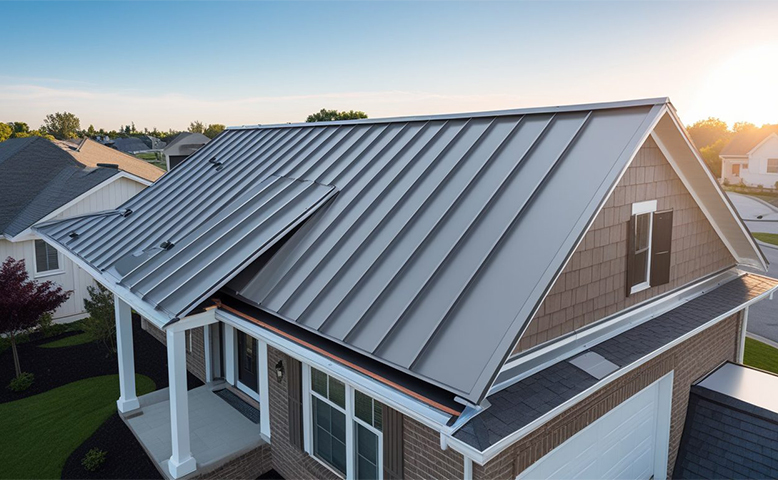
Hail season can turn a small roof problem into a costly one. From the yard, a roof can look “fine,” yet it could still be weak in important places. When hail hits, it can knock off protective granules, crack shingles, and open tiny gaps around flashing. Then, water finds those gaps fast. You do not need special tools. You just need a careful look, a few simple checks, and a plan for what to do next. If several signs show up at once, a roof installation service may be the safer choice.
Hail Season Makes Small Roof Flaws Worse
Hail damage is not only about dents. It often starts with small surface breaks that let water in later. Asphalt shingles use a top layer of granules to block the sun and shed rain. Hail can loosen that layer, which speeds up wear. It can also stress the seals that help shingles stay flat in the wind. Around roof edges, vents, and pipe boots, hail can hit hard and cause splits in rubber parts. Flashing at walls and valleys can shift too, especially if it was already loose.
Material choice matters as well. Some shingles have an impact rating, often shown as a class level, that tells how well they handle strikes. Under the shingles, underlayment adds a backup layer. If the top layer is weak, hail can push the roof closer to leaks even if you do not see holes right away.
Shingle Wear You See
You can catch the first signs from the ground and, with a safe ladder, check near the edge. Look for changes that were not there last month.
- Missing, curled, or cracked shingles
Missing pieces leave the roof exposed. Curling can mean age, heat stress, or past storm wear. Cracks often show up as straight lines or small breaks. These weak spots can split more when hail lands.
- Granule collecting in gutters
A few granules are normal over time. A heavy pile is not. Granule loss means the shingle is losing its shield. With less cover, sun and rain break the shingle down faster. After hail, you may see a sudden jump in granules near downspouts.
- Soft spots along the roof line
From inside, soft decking can show as a slight dip or uneven roof line. It may point to long-term moisture. Hail can push a weakened area over the edge, leading to fast leaks. If you see two or more of these, it is smart to get a closer review before the next storm.
Flashing Gaps and Sagging
Many leaks start at metal edges, not in the middle of a shingle field. Flashing is the thin metal that directs water away from joints. When it fails, water has a direct path into wood.
- Loose flashing near walls and valleys
Check where the roof meets a wall, chimney, or dormer. Look for lifted edges, rust, or gaps. Valleys are also high-risk because they carry heavy runoff. If flashing pulls away even a little, wind-driven rain can get under it. Hail can bend flashing and open those seams more.
- Sagging areas or “wavy” roof sections
Sagging can mean the decking has weakened or the framing below has shifted. This is not a cosmetic issue. Water can pool in low spots, and pooled water raises leak risk. Hail adds more stress through impact and vibration. A roof installation service often includes a full decking check so weak boards do not stay hidden under new material. If sagging is visible, do not wait. That is a sign the roof system may already be strained.
Attic Leaks and Air
Your attic can tell you what the roof is doing long before a ceiling stain appears. A quick attic check after rain is one of the best habits.
- Stains, damp insulation, or musty smells
Look for dark marks on wood, damp insulation, or dripping near vents and pipe openings. Touch the wood lightly. If it feels damp, water is getting in. Musty air can mean moisture stays trapped. Over time, that can damage wood and lower insulation performance.
- Poor airflow and heat buildup
A hot attic can bake shingles from below. That can weaken the shingle seal strips and speed up cracking. For good airflow, there should normally be balanced intake at the soffits and exhaust at the ridge or roof vents. If vents are blocked, too few, or placed poorly, heat and moisture stay inside. Before hail season, this matters because trapped moisture can soften wood and make impact damage worse. If attic signs show up, a simple patch may not be enough. You may need system-level fixes.
Simple Steps To Choose Timing And Materials
If you suspect trouble, take action before the weather turns. These steps help you decide what comes next.
Start with simple documentation
- Take clear photos of shingles, flashing, and any attic stains
- Note the roof age if you know it
- Write down when you first noticed each issue
Ask about materials that handle hail better
- Impact-rated asphalt shingles can reduce damage from strikes
- Metal roofing may resist impact well, but it needs a correct panel layout
- Underlayment quality matters because it is the backup barrier
Ask your roofer to do these things
- Check the decking and replace weak areas.
- Seal flashing points and roof penetrations.
- Ventilation changes recommendation, if needed.
- What does the warranty cover, and what can void it?
These points keep the talk practical. They also help you avoid paying for a roof that still has hidden weak spots.
Final Thoughts
Hail does not give you extra time to decide. If you see missing shingles, heavy granule loss, loose flashing, sagging areas, or attic moisture, your roof may be close to failure. A planned replacement is often safer than an emergency fix during storms. If you want a clear inspection and a straight plan, reach out to Steve Martin Contracting. Our team can review your roof, explain what we find in simple terms, and handle a roof installation service that fits your home’s needs before hail season ramps up.